

Boats, trailers, and motors don’t usually disappear overnight — but if you’re not tracking them, you might not notice when they’re gone.
Your rowing club’s assets are the tools that make your programs possible. They represent years of fundraising, donor generosity, and careful budgeting. Yet many clubs don’t keep a current, detailed inventory. Assets change hands, get moved to different storage locations, or are retired without official record — and no one notices until it’s too late.
This is one of the most common — and most avoidable — weaknesses we see in rowing club financial management. It’s not a matter of bad intentions. It’s usually a matter of habit. Things get busy, seasons change, and asset tracking quietly falls to the bottom of the priority list.
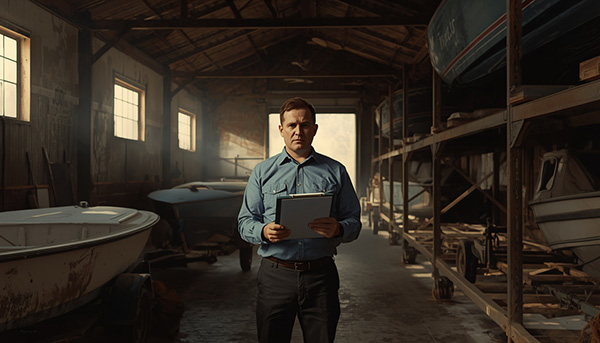
We’ve seen it happen:
- A trailer stolen and uninsured because it wasn’t listed on the club’s asset records.
- Boats missing for years before anyone realized they had been given away or sold informally.
- Duplicated purchases because the club forgot they already owned the equipment.
Each of these situations could have been avoided with a simple, consistent tracking system. The cost of neglect — financially and reputationally — almost always outweighs the effort it takes to stay organized.
Why it matters:
Poor asset management can lead to insurance gaps, wasted money, and serious safety risks. If a piece of equipment isn’t on record, it may not be covered under your club’s insurance policy. If its maintenance history isn’t tracked, you may not know it’s overdue for inspection until something goes wrong on the water.
From an audit perspective, weak asset tracking is a sign of poor internal controls — which can raise red flags for donors, insurers, grant agencies, and any oversight body reviewing your club’s financial health. When assets can’t be accounted for, it creates questions about stewardship that are difficult to answer, even when no wrongdoing occurred.
For nonprofit rowing clubs in particular, this matters even more. You are accountable to your members, your community, and often to the grants and sponsorships that fund your operations. Demonstrating that you manage physical assets responsibly is part of demonstrating that you manage donor funds responsibly.

Fix:
- Maintain an up-to-date inventory listing all assets with purchase dates, values, serial numbers, and current location. This doesn’t need to be complicated — a well-maintained spreadsheet is a solid starting point.
- Conduct annual physical inventory checks to verify assets are where they should be and in working condition. Don’t rely on memory or word of mouth; physically confirm what you have.
- Photograph major assets for insurance and recordkeeping purposes. Images with timestamps create a clear reference point that’s invaluable in the event of a claim or dispute.
- Assign responsibility for asset tracking to a specific role or committee. When everyone is responsible, no one is. Designating ownership ensures accountability.
- Create a formal process for asset disposal. When equipment is sold, donated, retired, or written off, it should be officially removed from your records — with documentation. Informal handoffs are where the gaps begin.
- Review your insurance coverage annually against your current asset list. Policies don’t automatically update when you acquire new equipment. This check should be a standard part of your year-end process.
Bottom line:
In rowing, you can’t win if your boat isn’t ready at the dock. The same goes for your club’s assets — they need to be visible, accounted for, and protected at all times. A little discipline in how you track what you own can save you from costly surprises down the line.