
(A darkly funny look at how money really moves in developing countries)
By: John S. Morlu II, CPA
Every country has shiny industries people love to talk about—technology, oil, mining, factories, and finance. These sound important. They make headlines. They impress donors. But in most developing countries, real money doesn’t always wear a suit or live in an office building. It shows up quietly, reliably, and forever in three places:
- Funerals
- Marriages
- Makeshift drinking bars
These businesses do not care about elections, recessions, inflation, or foreign aid. They depend on one thing only: human behavior. And human behavior never goes bankrupt.
1. Funerals: The Industry With Perfect Demand Forecasting
Funeral businesses don’t grow because people are pessimistic. They grow because death never misses a deadline. There is no marketing. No customer acquisition cost. No convincing anyone they “need” the service.
When someone dies, spending becomes:
- Emotional
- Urgent
- Public
People who struggled all year suddenly find money. Not to invest. Not to build. Not to start a small factory. But to bury properly.
Families will:
- Borrow at painful interest rates
- Beg friends they avoid all year
- Sell land
- Pawn phones
- Empty savings
No one asks:
- How will you repay this?
- What is the return on investment?
A dead body is the strongest credit guarantee in the system. A coffin upgrade often costs more than a sewing machine. But shame is more expensive than poverty.
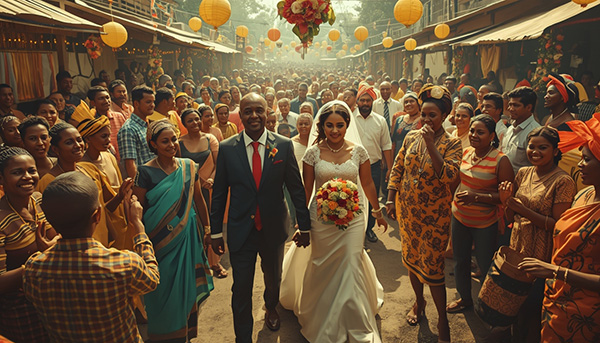
2. Marriages: Love Meets Debt in Formal Wear
Marriage is sold as romance. But in developing countries, it operates like a multi-industry spending explosion. One wedding activates:
- Caterers
- Tailors
- Musicians
- Makeup artists
- Decor vendors
- Transport providers
And most importantly: social pressure. A wedding is rarely for two people. It is for families, villages, coworkers, rivals, and people who won’t help later.
People will delay buying land. They will delay starting a business. But they will not delay a wedding party. Borrowing for marriage is aggressive—and celebrated. No one asks why you borrowed. They ask how loud the music was.
New couples begin married life with:
- Debt
- Stress
- And leftover plastic chairs
Ask the same people for money to start a small bakery or light manufacturing shop, and suddenly everyone becomes cautious. Marriage debt is called “tradition.” Business debt is called “risk.”
3. Makeshift Drinking Bars: Where Tomorrow’s Money Goes Tonight
They have many names. Sometimes a wooden shack. Sometimes plastic chairs. Sometimes just a table under a tree. But they all serve one purpose: escape with witnesses.
These bars require:
- Very little capital
- Very little regulation
- Very high demand
People don’t drink only for alcohol. They drink for relief, conversation, forgetting, and fake confidence. When jobs are scarce, bars fill up. When politics are stressful, bars fill up. When life feels unfair, bars fill up.
These places are:
- News centers
- Therapy rooms
- Business idea graveyards
A man will say: “I don’t have capital to start a business.” But by evening, he has capital for drinks. The money didn’t disappear. It just chose comfort over courage.
The Dark Joke No One Likes to Admit
Here is the cold truth: People beg and borrow not to build income, but to avoid embarrassment.
- A failed business is mocked
- A modest funeral is judged
- A small wedding is whispered about
- A sober man is questioned
So people invest where punishment is lowest and applause is loudest. Funerals punish you socially if you underperform. Weddings shame you publicly if you “try too little.” Bars reward you instantly for showing up broke. Small factories do none of that.

Why These Three Always Win
Funerals, marriages, and makeshift bars share three unbeatable traits:
- They are emotionally driven
- They are socially enforced
- They exist outside formal systems
They don’t wait for GDP growth. They don’t need donor funding. They don’t require policy reform. They survive inflation, coups, pandemics, and power cuts. Because as long as people:
- Are born
- Fall in love
- Get tired
These businesses will operate.
The Final Irony
Small manufacturing businesses:
- Create jobs
- Build skills
- Produce assets
- Generate income
But they require patience, discipline, and delayed applause. Funerals, marriages, and drinking bars require none of that. They require:
- Emotion
- Pressure
- And an audience
So people keep borrowing for:
- What ends
- What lasts one day
- What disappears by morning
While calling long-term investment “too risky.” That is not ignorance. That is perfectly rational behavior inside a broken incentive system. And that is why these three businesses will still be here long after trends fade, currencies reset, and slogans change. Quiet. Reliable. Profitable. Just like human nature.
One Final Business Tip
And if, after funerals, weddings, and drinking bars, you somehow still have money left… Don’t waste it on factories. Don’t gamble on exports. Don’t bother with patience. Invest in a church. Build one. Name it something powerful. And become the pastor. You’ll collect offerings from people who already spent all their money on funerals, weddings, and drinking bars. That’s not irony. That’s vertical integration.
Author: John S. Morlu II, CPA is the CEO and Chief Strategist of JS Morlu, leads a licensed public accounting and management consultancy firm. He has more than 20 years of professional experience in auditing and advisory work, including service as Auditor General of Liberia and FAR and DCAA compliance work at Unisys Federal Systems. The firm’s technology products include AI-powered reconciliation software (ReckSoft.com), a handyman services platform (Fixaars.com) and advanced cloud accounting solutions (FinovatePro.com), built for finance and operations teams.