
By: John S. Morlu II, CPA
Josh Reeves, co-founder of Gusto, a payroll darling of Silicon Valley, recently uttered a sentence that made my brain spin like a hamster on a particularly well-greased wheel: “The truth is, we’re still early… If you look at marketshare, walletshare, and the product mix we have live today, there’s just a lot more work to do.” Now, as someone who’s seen the tech world thrive on buzzwords and jargon, I couldn’t help but wonder: What exactly are we talking about here? What is this mystical “walletshare”? And since when did “product mix” sound like something you’d hear at a farmer’s market?
In one swift statement, Josh managed to encapsulate the essence of modern corporate speak, where simple ideas are dressed up in shiny new clothes to give off the illusion of complexity and innovation. But here’s the truth: beneath the fancy terminology and Silicon Valley bravado, lies an age-old playbook—one that companies have been using for centuries, whether they’re hawking lemonade on the corner or managing billion-dollar payroll systems.
Why does this matter? Because these words—marketshare, walletshare, product mix—are not just jargon thrown around by tech leaders to sound smart. They are the backbone of business strategy, a reflection of how companies think about growth, competition, and how much of your hard-earned money they can grab. And while they might sound new and revolutionary, these concepts are anything but.
In fact, what Reeves’ statement really highlights is the critical importance of looking beyond the jargon to understand what these terms mean, how they affect you as a consumer, and more importantly, how they guide the decisions of companies that shape our world. These terms drive everything from the expansion of tech giants like Amazon and Google, to the pricing of your coffee at Starbucks, and the future of the products you’ll buy tomorrow. Understanding these strategies is key to seeing the full picture—how businesses compete for attention, for money, and for your loyalty.
This is more than just wordplay—it’s about the strategies behind the words. And that’s exactly what we’ll explore in the following chapters. We’ll dive deep into the realities behind marketshare, walletshare, and product mix, unmasking the simplicity behind the jargon and revealing how these strategies, though dressed up in Silicon Valley polish, are the same old tactics your grandparents used to sell farm produce. We’ll show you how companies use these strategies to expand their empires—and more importantly, how these concepts affect your wallet.
So buckle up, because we’re about to cut through the Silicon Valley fog and expose the truths behind these buzzwords in ways that are both enlightening and, dare I say, downright entertaining. And by the end, you’ll not only understand what Josh Reeves meant, but you’ll see that these big ideas are simpler—and far more relatable—than you’ve been led to believe.

Chapter 1: Silicon Valley Speak: A New Language for Old Problems
Ah, Silicon Valley—the magical land where everything old gets a shiny new coat of paint and a confusing name. When they start throwing around words like “walletshare” and “product mix,” it’s time to buckle up because you’re about to get hit by a buzzword hurricane. It’s like they took basic business concepts, added a sprinkle of techno-dazzle, and voila! You’ve got a $100 billion IPO.
Let’s start with marketshare. Every business wants to be the top dog, selling more stuff than the other guys. That’s marketshare in a nutshell. Imagine a 10-year-old running a lemonade stand on your street. Now imagine 99 other kids with lemonade stands. If your kid sells 10 of the 100 cups, congratulations! They have 10% of the market. Now, try explaining that to an investor. Better yet, call it “maximizing our citrus-based distribution strategy.” Boom—instant funding.
Walletshare, on the other hand, is what happens when Starbucks sells you a pumpkin spice latte, and while you’re at it, you end up grabbing a croissant, a gift card, and one of those overpriced tumblers because you can’t resist shiny things. You just handed over more of your wallet. It’s like marketshare, but more aggressive—because let’s face it, when you’re in line for coffee, you’re only half-awake and vulnerable. They see that vulnerability and pounce like predators in yoga pants.
And by the way, every time you say “walletshare” in a meeting, you must hold a cucumber water in one hand and adjust your scarf with the other. The more scarves, the more convincing you’ll sound.
Chapter 2: Product Mix: The Buzzword That Was Always There
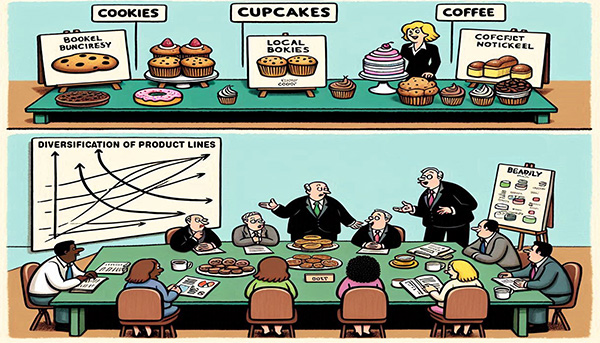
Let’s talk product mix. Ooooh, sounds fancy, right? You’d think it’s some high-level business strategy that requires an MBA, a PowerPoint, and maybe even a TED Talk. But nope—it’s just a posh way of saying, “We sell more than one thing.”
Here’s the thing: your local lemonade stand figured out product mix ages ago. When they added cookies to the menu, they didn’t call it “diversification of product lines to maximize customer engagement.” No, they called it “now we sell cookies.” But throw the phrase “product mix” into a board meeting, and suddenly you’re a strategic genius.
Silicon Valley loves product mix because it makes them look like visionary titans of industry when, in reality, they’re just doing what medieval merchants did—selling a bunch of different stuff to keep the cash flowing. But adding a little jargon makes everything sound revolutionary, even though your local bakery’s been selling cupcakes, cookies, and coffee since before Steve Jobs was in short pants. The bakery just didn’t need a keynote to explain it.
Chapter 3: The Birth of “Innovative” Concepts
Once upon a time, Silicon Valley gave us the internet, and it was huge. Revolutionary, even! Then came things like social networks, which—let’s be honest—mostly revolutionized how we stalk high school classmates and find out who’s gotten divorced. But as the valley got more crowded with startups, the truly groundbreaking ideas started to run dry. So what did they do? They slapped shiny new labels on old ideas and kept the party going.
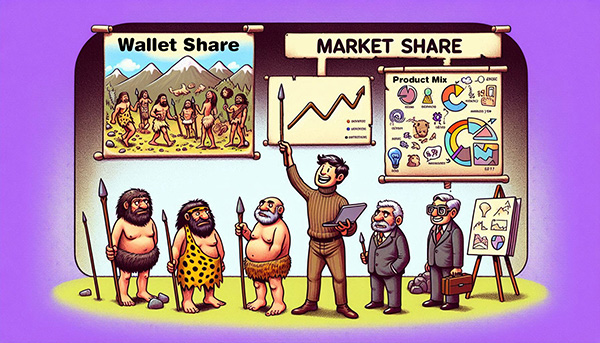
Take marketshare, walletshare, and product mix—concepts that have been around since cavemen traded shiny rocks. Imagine Ug the caveman selling spears to his tribe. He’s got 20% of the market because, let’s face it, Ug makes a mean spear. But Ug’s not satisfied. He wants to capture more walletshare, so he starts throwing in a free cave painting with every spear. And to expand his product mix, Ug introduces deluxe spears with ergonomic grips and leather tassels. Boom! Ancient innovation.
Today’s entrepreneurs do the same thing, except they do it in turtlenecks and with slide decks. The key is to make everything sound like you’ve just discovered the secret to the universe, when really, you’re just jazzing up the same old goat-for-grain trade that’s been happening for millennia.
Chapter 4: Fun Facts About Marketshare: Brought to You by Common Sense
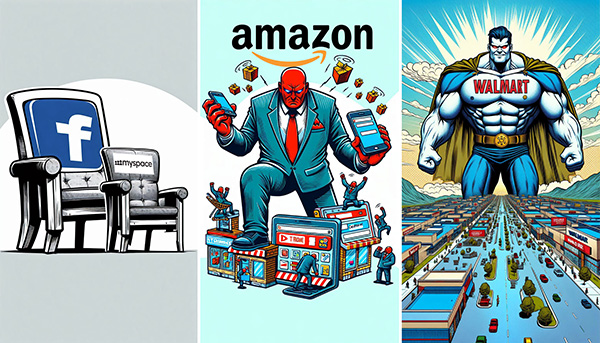
Marketshare is like a game of musical chairs—everyone’s trying to grab the biggest seat, but the music never stops, and the chairs keep shrinking. Let’s take Amazon, for instance. They’ve cornered 40% of U.S. e-commerce, which sounds impressive until you realize that every time you click “buy now,” you’re basically paying Jeff Bezos to build another rocket ship. But don’t worry—Walmart is still king of the physical retail jungle. They’ve got their paws on everything from bananas to basketballs, so while Amazon might own your online wallet, Walmart’s got you covered when you need to pick up socks and a chainsaw in the same trip.
But here’s a cautionary tale: remember MySpace? Once upon a time, it ruled the social networking universe with over 66% marketshare. Today, its marketshare is about as significant as those mystery products they sell on infomercials at 3 AM. The lesson? Marketshare is like a bad relationship—it might look great in the beginning, but things can fall apart faster than you can say “Tom was my first friend.”
Chapter 5: Walletshare: Because Why Stop at Your Wallet?
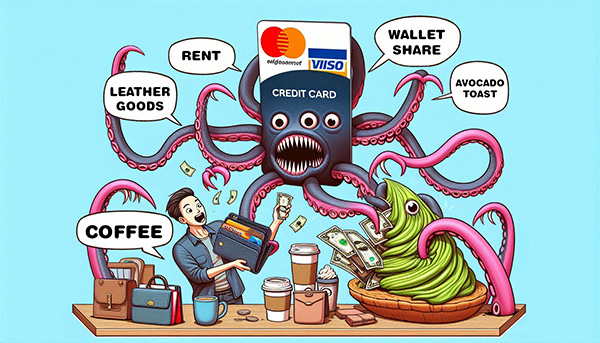
Now let’s talk about walletshare, which is really just a fancy way of saying, “We’re not happy with just some of your money—we want all of it.” And don’t think companies aren’t working hard to get there. They’ve got algorithms that know you better than your therapist and are tracking everything from your shoe size to your taste in cat memes.
Take credit card companies, for example. They’re the kings of walletshare. They’re not satisfied with your occasional purchase of a $10 phone charger. Nope, they want to be there when you pay your rent, book your flights, and even when you buy that absurdly expensive avocado toast (because it’s 2024, and apparently that’s still a thing). Their ultimate goal? To make sure every single transaction in your life goes through them, so they get their cut. It’s like having a nosy neighbor who insists on being involved in every aspect of your life, except instead of borrowing sugar, they take 3% of every dollar you spend.
Chapter 6: Product Mix: Why Stop at One Thing When You Can Sell Ten?
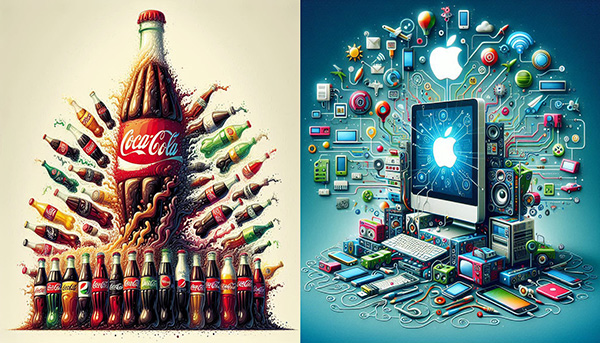
Oh, product mix, you clever devil. The goal here is simple: sell more things to more people more often. Take Coca-Cola, for example. Did you know they don’t just sell fizzy sugar water? Oh no, they’ve got their fingers in everything from bottled water to sports drinks to vitamin supplements. They own around 500 brands, so chances are, if you’re thirsty, you’re drinking something they’ve produced. That’s product mix done right, folks—making sure you can’t go anywhere without running into something they sell.
And then there’s Apple. Once upon a time, they sold a single computer. Today, they’ve got a product mix so vast, you can’t even sneeze without paying them for the privilege. iPhones, iPads, AirPods, MacBooks, and now, services like iCloud that charge you for keeping all those memes you hoard—Apple’s product mix is basically a beautifully orchestrated trap. Before you know it, you’re locked into the Apple ecosystem tighter than a pair of skinny jeans, and there’s no going back. Your next move might be an Apple-branded toaster. Who knows?
Chapter 7: The Common-Sense Takeaway
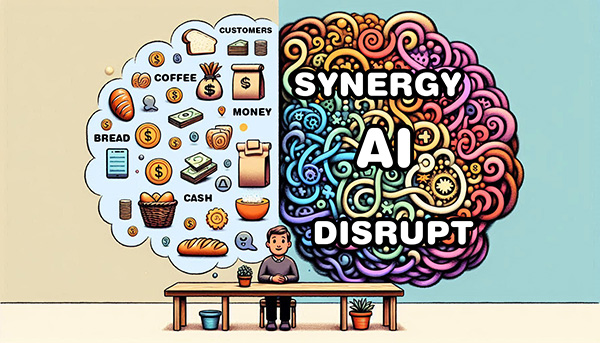
Let’s bring it home, folks. Here’s the truth: marketshare, walletshare, and product mix are just rebranded, rehashed versions of basic business principles. It’s not rocket science. Want to make money? You need customers. Want more money? Get them to buy more stuff. Want even more money? Sell them new stuff. It’s Business 101. The real trick is not getting swept up in the jargon storm.
So, the next time someone hits you with Silicon Valley speak, just smile and think of your local bakery. They’ve been quietly crushing it for years with their cupcakes and croissants, all without needing a single buzzword. Silicon Valley might think it’s reinventing the wheel, but in reality, they’re just slapping a “disruptor” label on it and calling it innovation.
And if all else fails, just throw the word “synergy” into conversation and nod thoughtfully. Works every time.
Author: John S. Morlu II, CPA is the CEO and Chief Strategist of JS Morlu, leads a globally recognized public accounting and management consultancy firm. Under his visionary leadership, JS Morlu has become a pioneer in developing cutting-edge technologies across B2B, B2C, P2P, and B2G verticals. The firm’s groundbreaking innovations include AI-powered reconciliation software (ReckSoft.com) and advanced cloud accounting solutions (FinovatePro.com), setting new industry standards for efficiency, accuracy, and technological excellence.