
Why Financial Reporting Without Interpretation Is the Most Expensive Mistake a Community Can Make
Executive Insight
Every HOA has financial reports.
Very few have financial understanding.
And that gap is where problems are born.
Because numbers, on their own, do not guide decisions.
They simply record history.
Without interpretation, context, and structure, financial reports become:
- A routine
- A formality
- A false sense of control
This is where high-performing communities separate themselves:
They don’t just read numbers. They extract meaning from them.
1. The Reporting Trap: Activity Without Insight
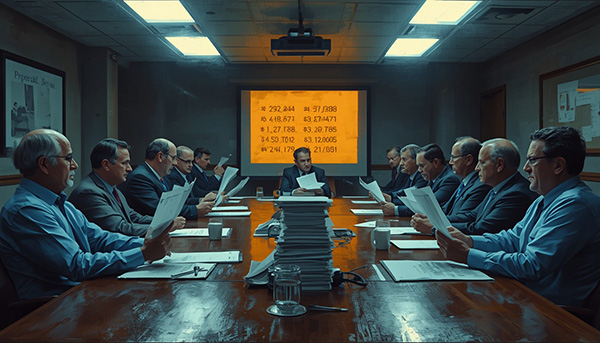
Most HOA financial packages include:
- Income statement
- Balance sheet
- Budget comparison
And every month, the same cycle happens:
- Reports are distributed
- Numbers are reviewed
- Meetings move on
The problem:
This is activity — not analysis.
No one asks:
- What changed and why?
- What trends are emerging?
- What risks are building beneath the surface?
👉 Reporting without interpretation is like having a map but never checking where you’re going.
2. The Critical Difference: Data vs Decision Intelligence
There are two levels of financial management:
Level 1: Data
- Revenue numbers
- Expense totals
- Account balances
Level 2: Decision Intelligence
- Are expenses trending above inflation?
- Is reserve funding aligned with future obligations?
- Are delinquencies increasing?
- Is cash flow masking underlying issues?
Most HOAs operate at Level 1.
Elite HOAs operate at Level 2.
3. The Silent Warning Signs Most Boards Miss
Financial issues rarely arrive without warning.
They whisper first.
Common early signals:
- Expenses consistently just “slightly over budget”
- Reserve contributions postponed or reduced
- Increasing reliance on cash balance to justify decisions
- Small reconciliation differences that are never resolved
- Delinquency rates creeping upward
Each one seems minor.
Together, they form a pattern.
👉 And patterns, if ignored, become problems.
4. The Dangerous Comfort of Cash Balances
One of the most common statements in HOA meetings:
“We have enough cash. We’re fine.”
This is one of the most misleading conclusions in financial management.
Because cash does not equal:
- Financial health
- Adequate reserves
- Proper accounting
Why?
Cash can exist alongside:
- Underfunded reserves
- Unrecorded liabilities
- Deferred maintenance
👉 Cash is a snapshot.
Financial health is a system.
5. Why Interpretation Requires Expertise
Interpreting HOA financials is not intuitive.
It requires:
- Understanding fund accounting
- Knowledge of reserve methodologies
- Experience with accrual vs cash distortions
- Awareness of common misclassifications
Without this, boards may:
- Focus on the wrong metrics
- Miss critical risks
- Delay necessary decisions
This is why serious financial oversight is not optional — it is essential.
6. The Shift: From Reporting to Financial Storytelling
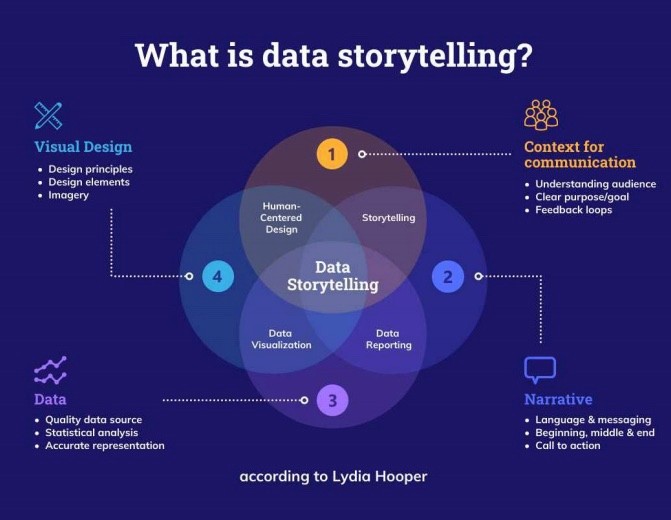
Elite financial management transforms reports into narratives.
Instead of:
- “Expenses increased by 5%”
It explains:
- Why they increased
- Whether it is temporary or structural
- What it means for future budgets
- What action is required
This is financial storytelling.
And it is what enables:
better decisions, faster responses, and stronger outcomes.
7. What High-Performance Reporting Actually Looks Like
A high-quality HOA financial package should include:
1. Clarity
- Clean, structured, easy-to-read reports
- No unnecessary complexity
2. Insight
- Variance explanations
- Trend analysis
- Risk indicators
3. Context
- Comparison to prior periods
- Alignment with reserve plans
- Impact on long-term obligations
4. Actionability
- Clear recommendations
- Defined next steps
- Decision points for the board
8. The Competitive Advantage Most HOAs Ignore
Most HOAs treat financial management as:
- A requirement
- A cost
- A compliance function
But in reality, it is a strategic advantage.
When done right, it leads to:
- Lower long-term costs
- Fewer surprises
- Higher property values
- Stronger homeowner confidence
9. Where the Right Firm Changes the Equation
At this level, the question is not:
“Do we have financial reports?”
It is:
“Do we understand what they are telling us — and what they are not?”
The right firm provides:
- Interpretation, not just preparation
- Insight, not just numbers
- Structure, not just support
And most importantly:
They turn information into decisions.
10. Final Thought: Numbers Are Only as Powerful as the Questions You Ask
Every HOA has access to numbers.
Very few ask the right questions.
And that is the difference between:
- Managing the present
- And controlling the future
Closing Line
Financial reports don’t protect your HOA.
Understanding them does.
And the communities that learn that early — are the ones that never have to explain what went wrong later.