
By: John S. Morlu II, CPA
Assessments are the heartbeat of any successful Homeowners Association (HOA)—fueling the upkeep of lush green spaces, maintaining essential infrastructure, and funding community services that make neighborhoods desirable places to live. Yet, behind the scenes, managing these assessments is a complex task that requires precision, transparency, and consistent effort. When assessments are mismanaged—whether through inconsistent calculations, delayed collections, or inaccurate record-keeping—the ripple effects can be severe. Think cash flow crises, delayed repairs, special assessments, and frustrated homeowners questioning the HOA’s leadership.
But here’s the good news: with the right tools, clear communication, and best practices, HOAs can avoid these pitfalls and transform assessment management into a pillar of financial stability and community trust.
In this article, we’ll explore the importance of effective assessment management, the common mistakes HOAs face, and actionable strategies to ensure assessments are calculated, collected, and recorded with confidence. Whether you’re an HOA board member, property manager, or homeowner, understanding the nuances of this process is key to fostering a thriving and harmonious community. Read on to learn how proper assessment management can make all the difference in maintaining your HOA’s financial health and your neighborhood’s quality of life.
The Problem: Inconsistent Assessment Management
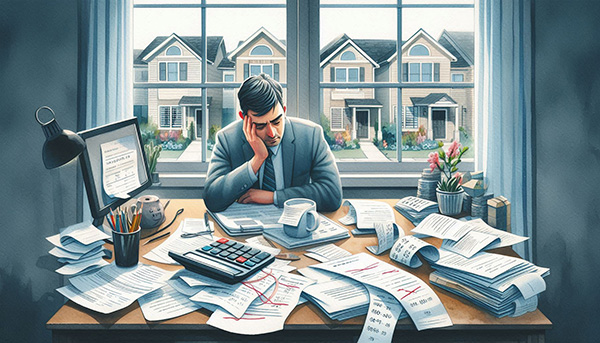
When HOAs fail to manage assessments properly, several common issues arise:
- Inaccurate Calculations: Misunderstanding governing documents or neglecting to adjust for budget changes can result in incorrect assessment amounts.
- Inefficient Collection Processes: Lack of structured billing cycles or inadequate follow-up on delinquent accounts often leads to unpaid assessments.
- Poor Recording Practices: Failing to accurately track payments creates discrepancies in financial records, eroding homeowner trust.
Industry Insight: Leveraging Technology to Reduce Delinquencies
Implementing automated payment systems can significantly reduce assessment delinquencies. According to Sperlonga Data & Analytics, HOAs that report assessment payments to credit bureaus experience a 30% reduction in delinquencies within the first 90 days. This demonstrates the power of modern tools in streamlining payment collection and improving compliance.
Interesting Tidbit:
Automated payment systems with reminders and online payment options increase homeowner satisfaction, as they simplify the process and reduce misunderstandings about due dates.
Consequences of Mismanagement
The repercussions of mismanaging assessments extend beyond financial strain:
- Cash Flow Issues: Delayed or irregular payments hinder the HOA’s ability to fund essential services, from landscaping to repairs.
- Special Assessments: When regular assessments fall short, HOAs often resort to unexpected additional charges, frustrating homeowners.
- Legal Challenges: Inconsistent policies or enforcement can lead to disputes and even legal battles with homeowners.
- Eroded Trust: Mismanagement undermines homeowner confidence in the HOA’s leadership, making future assessments or dues increases harder to implement.
Strategies to Avoid Assessment Mismanagement
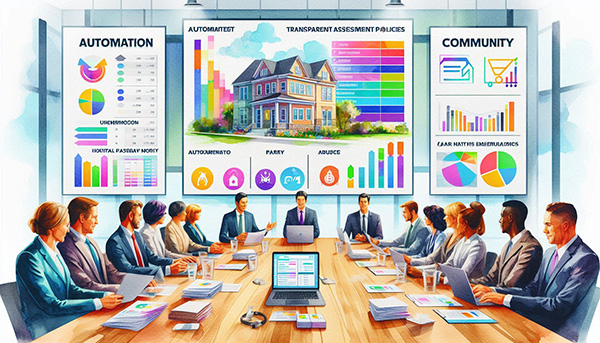
To address these issues, HOAs can adopt the following best practices:
1. Implement Automated Billing Systems
Automated systems simplify the billing and payment process for both the HOA and homeowners:
- Efficiency: Automate invoicing and reminders to reduce manual errors and ensure timely payments.
- Flexibility: Offer multiple payment methods, such as credit cards, direct debit, and online portals, making it easier for homeowners to pay.
Pro Tip: Use accounting software that integrates with automated billing to ensure seamless tracking and reporting.
2. Clearly Communicate Assessment Policies
Transparency is key to preventing misunderstandings and disputes:
- Provide Written Guidelines: Ensure every homeowner has access to clear, written policies outlining assessment amounts, due dates, and consequences for late payments.
- Use Multiple Channels: Share policy updates through newsletters, community websites, emails, and annual meetings.
- Regular Updates: Keep policies current and ensure homeowners are informed about any changes.
3. Enforce Policies Consistently
Consistency is critical for maintaining fairness and preventing disputes:
- Uniform Application: Apply assessment policies equally to all homeowners to avoid perceptions of favoritism.
- Clear Procedures: Establish and follow a structured process for addressing late payments, including reminders, late fees, and, if necessary, legal action.
- Documentation: Maintain records of all communications and actions taken regarding delinquencies.
4. Conduct Regular Financial Reviews
Regular audits and reviews help ensure assessment funds are properly managed and allocated:
- Monthly Reconciliation: Compare assessment payments with financial records to identify discrepancies early.
- Annual Audits: Engage an independent auditor to verify that funds are being used appropriately and in accordance with governing documents.
Industry Fact:
HOAs conducting regular financial reviews report fewer instances of delinquent payments and greater overall financial stability, according to the Community Associations Institute (CAI).
The Bottom Line: Building a Financially Stable HOA
Mismanagement of assessments is a common issue that can jeopardize the financial health and trust within an HOA. By leveraging technology, maintaining clear communication, enforcing policies consistently, and conducting regular financial reviews, HOAs can prevent common mistakes and create a well-managed, financially secure community.
Interesting Tidbit:
Well-managed HOAs with clear assessment policies and consistent enforcement often see higher property values, as financial stability reflects a well-run and attractive community.
Taking proactive steps to manage assessments not only secures the HOA’s financial future but also enhances the quality of life for all residents. With modern tools and best practices, your HOA can build a foundation of financial strength and homeowner trust.
Author: John S. Morlu II, CPA
John S. Morlu II, CPA, is the CEO and Chief Strategist of JS Morlu, a licensed public accounting and management consulting firm. He has more than 20 years of professional experience in auditing and advisory work, including service as Auditor General of Liberia and FAR and DCAA compliance work at Unisys Federal Systems.
The firm’s technology products include:
• ReckSoft (www.ReckSoft.com): AI-driven reconciliation software for financial accuracy and efficiency.
• FinovatePro (www.FinovatePro.com): Advanced cloud accounting solutions for growing businesses.
• Fixaars (www.fixaars.com): A global handyman platform for home and property services.