
By: John S. Morlu II, CPA
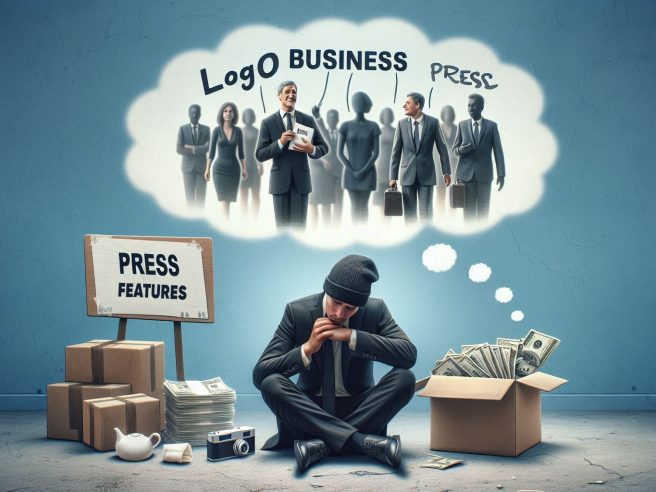
Picture this: you’ve just dreamed up an incredible business idea. It’s revolutionary, groundbreaking—heck, it might even change the world (or at least disrupt your local market). You can already envision the logo, the office space, the press features, and a queue of customers clamoring for what you’re offering. There’s just one teeny-tiny, barely noticeable problem: you’re broke. And not the “I-guess-I’ll-skip-the-$8-cold-brew” kind of broke. We’re talking so broke that you’re contemplating a GoFundMe just to afford your next Uber Eats order. Your bank account balance looks like it could fit comfortably in a fortune cookie.
But despite the financial desert you’re wandering through, the vision is too bold to let go. You don’t give up. No way! Why should a little thing like “money” stop you from building an empire? So what do you do? You roll up your sleeves, lace up those proverbial bootstraps (which, incidentally, you’ve been tying together for years), and jump in with both feet. You’re about to dive headfirst into the magical world of sweat equity—that mythical currency where blood, sweat, and tears are transformed into something that looks and feels like ownership.
Sure, your pockets may still be empty, but there’s something else bubbling up—hope. That glimmer of future success, that faith that today’s hard work will eventually pay off in something other than ramen noodles for dinner. It’s a gamble, but it’s one that entrepreneurs have been taking for generations. And if you’re lucky (or very, very persistent), that sweat equity might just be the golden ticket that takes you from broke dreamer to business mogul.
Sound intriguing? Great! Because sweat equity isn’t just a buzzword—it’s the secret sauce behind countless success stories (and a few tragic comedies). So, whether you’re the next Steve Jobs or just trying to open up the coolest bakery on the block, this journey will be full of sweat—literally—but also full of lessons, laughable moments, and maybe, just maybe, that elusive pot of gold at the end of the entrepreneurial rainbow.
So buckle up! You’re about to enter the wild, whimsical, and occasionally weird world of sweat equity—a place where hard work is currency, dreams are a form of credit, and the grind is always on. Let’s see what kind of magic you can create when cash is scarce but ambition is limitless.

Chapter 1: What is Sweat Equity, Anyway?
Ah, sweat equity. It’s one of those terms people toss around at business meetings to sound like they’ve just read the latest edition of Entrepreneurial Buzzwords for Dummies. But don’t worry; it’s not as complicated as it sounds. Sweat equity is pretty much exactly what it says on the tin: you’re trading your sweat (aka your time, effort, and hard work) for equity (ownership, shares, or a piece of the company pie).
Imagine you’ve just signed up for a gym membership, but instead of paying in dollars, you pay in push-ups. That’s sweat equity in a nutshell—minus the spandex and the motivational playlists. Essentially, you’re working for free today in hopes that tomorrow, your efforts will be worth much more than a couple of protein shakes. In theory, it’s a win-win. In practice, it often involves lots of unpaid late nights, questionable coffee consumption habits, and an endless supply of hope (which, like caffeine, can lead to sleepless nights).

Chapter 2: Fun Fact: It’s Not Just for Startups!
Guess what? Sweat equity isn’t just reserved for hoodie-wearing tech geeks huddled in a garage brainstorming the next billion-dollar app. Nope, it’s everywhere. Sure, Silicon Valley loves to romanticize the “startup grind,” but sweat equity happens in all sorts of businesses.
Take your local bakery, for instance. The owner is probably trading a ton of sweat (and flour, let’s be real) to build their dream. They’re working long hours, baking cinnamon rolls at 4 AM, and serving up smiles without seeing immediate profits. Or think about a small family-run hardware store, where Dad’s fixing every broken doorknob in town, while Mom’s managing the books—all without paying themselves for the first year. That’s sweat equity, folks. It’s like the universal currency of ambition, minus the cash flow.
So next time you’re munching on an artisan croissant or buying a hammer, remember: someone’s dreams and sweat equity are baked or built into every bite or nail.

Chapter 3: The Origins of Sweat Equity: A Brief History Lesson You Didn’t Ask For
Sit back and enjoy a history lesson you probably never knew you needed! While we can’t quite trace sweat equity back to our caveman ancestors (though I’m sure Ugg worked plenty hard for that extra chunk of mammoth meat), the concept has been around for ages.
The term “sweat equity” really became popular in the mid-20th century, especially in real estate. Imagine a homeowner elbow-deep in DIY projects, installing cabinets, repainting walls, and fixing that one pesky door that never shuts right. All of that sweat adds value to their home—sweat equity.
Now, fast forward to the startup age, and suddenly everyone’s using it like it’s the latest kale smoothie. Instead of painting walls, you’re coding apps or designing websites, hoping your labor will increase the business’s value and give you a slice of the pie. Spoiler alert: your slice may or may not be a tiny sliver or a massive bite, but more on that later.

Chapter 4: Why Sweat Equity Is Like Working for Exposure (But With More Sweat)
Ah, “work for exposure.” Every freelancer’s least favorite phrase. It’s that magical promise where you’ll design a logo, photograph an event, or paint a mural, and instead of cash, you’ll get the glorious benefit of exposure. Because, as we all know, landlords and grocery stores happily accept exposure in exchange for rent and food, right? (Wrong.)
Sweat equity is like exposure’s distant cousin—except with a bit more optimism. You’re not just working for portfolio fodder; you’re working for actual ownership. It’s a gamble, sure, but instead of a vague promise of “someone will see this,” you’re banking on the company’s future success. So instead of a fancy handshake and a “thanks, partner!” you’re hoping one day you’ll be swimming in stock options, cashing in for a yacht. Or, at least, a kayak.

Chapter 5: Sweat Equity in Action: A Day in the Life of an Entrepreneur
Let’s take a tour through the glamorous, exciting (read: exhausting) day of an entrepreneur earning sweat equity.
6:00 AM: You leap out of bed, full of energy and excitement! Actually, let’s be real. You groggily hit snooze for the third time before remembering you don’t technically have to get up because there’s no boss breathing down your neck. Oh, wait—you’re your own boss now. Panic sets in, and you scramble to make some coffee.
8:00 AM: After downing enough caffeine to fuel a jet engine, you get to work at your home office—aka the kitchen table. You hammer out emails, take a few calls, and pitch your latest idea to a potential investor, all while wondering when that fancy ergonomic chair you’ve been eyeing will fit into the budget (spoiler: not anytime soon).
12:00 PM: Lunchtime! You briefly consider treating yourself to some takeout but quickly remember you’re on an “investment diet”. Today’s special? PB&J. Or ramen. Mmm, deliciously budget-friendly.
2:00 PM: You’re deep into a meeting with your co-founders, tossing around terms like “valuation” and “equity dilution.” You nod along, pretending you totally understand what’s happening, when in reality, you’re just trying to figure out when your shares will actually mean something. (Maybe after that Series A round. Maybe after lunch.)
6:00 PM: After a full day of hustle, you collapse on your couch with a sense of accomplishment. Sure, there’s no paycheck today, but you’re one step closer to your future fortune. Right? RIGHT?!

Chapter 6: Insightful Tidbit: Sweat Equity is NOT Free Labor
Here’s a common misconception: sweat equity is not just another term for free labor. You’re not doing charity work here. It’s an investment in yourself—a golden ticket, if you will. Except this ticket doesn’t get you into Willy Wonka’s chocolate factory. No, this ticket gives you part ownership in a company, which hopefully means you’ll get a big payday down the line.
Sweat equity isn’t about being a martyr for the business or grinding yourself into dust for the sake of “the dream.” It’s about owning a piece of the pie, even if that pie is still baking in the oven (and no one’s really sure when it will be done).

Chapter 7: Humorous Comparison: Sweat Equity vs. Lottery Tickets
Some people might say sweat equity is like buying a lottery ticket. Except, instead of spending a couple of bucks on a scratch-off card, you’re putting in hours—lots of hours. And instead of waiting for your numbers to hit, you’re waiting for your company to hit it big.
The catch? Your odds of making millions may not be that much better than the lottery. The difference? With sweat equity, you actually contribute to your company’s growth. You’re not just crossing your fingers and hoping for the best—you’re coding, designing, and marketing your way to success. Or, at the very least, you’re staying busy while you wait for your metaphorical lottery numbers to be called.

Chapter 8: Fun Fact: The Sweat Equity Workout Plan
Forget CrossFit. If you want a real workout, try starting a business and earning sweat equity. You’ll burn calories faster than you can say “burn rate.” Here’s a glimpse of your new workout regimen:
- The Startup Shuffle: Hustling from one meeting to the next, whether in person, on Zoom, or in the depths of your inbox.
- The Coffee Curl: You’ll be lifting your coffee cup (or energy drink) to your mouth all day long just to keep going.
- The Email Lunge: Leaning over your keyboard, fingers furiously typing out proposals, contracts, and investor updates.
- The All-Nighter Plank: Staying up late, staring at your screen while holding yourself together by a thread.
Who needs a gym membership when you’ve got a startup to run?

Chapter 9: Common Sense Warning: Know When to Cash In Your Sweat
Here’s some wisdom that no one tells you at those fancy startup seminars: sweat equity isn’t forever. At some point, you have to ask yourself if it’s still worth it. There’s a fine line between investing in your future and working yourself into oblivion. You don’t want to end up like that one friend who’s been “working on a startup” for 15 years and still has nothing to show for it but a collection of unpaid bills.
If the business starts making money and you’re still getting paid in empty promises, it might be time to cash in. Or at least, have a serious conversation with your partners about what your sweat is really worth. Because, let’s face it—you can’t pay rent with hope (or at least, not with your landlord).

Chapter 10: The Dark Side of Sweat Equity: The Over-Promise Trap
Here’s the ugly truth: sometimes, sweat equity goes sour. Founders can over-promise, offering you shares in a business that ends up being worth…nothing. Yep, you’ve been sweating, hustling, and stressing, only to realize you’ve worked yourself into oblivion for a business that flopped. It’s like betting on a horse that seemed fast at the start but stumbled over every hurdle.
This doesn’t mean sweat equity is always bad—it’s just a reminder to keep your eyes open. It’s easy to get swept up in the excitement of “potential,” but potential won’t pay your bills. Make sure the company you’re sweating for is worth it.
In the end, sweat equity is a lot like a long hike: it’s hard work, you’ll definitely sweat, and you may question your life choices at least once along the way. But if you reach the top, the view—and that equity—just might be worth it.

Chapter 11: When Sweat Equity Pays Off: Stories of Success (And Some Near-Misses)
Ah, the sweet side of sweat equity! This is what every budding entrepreneur dreams about—the moment when all that sweat finally pays off. Let’s take a look at some real-world success stories, and maybe a few “well… that didn’t quite go as planned” moments.
Success Story #1: The Instagram Effect Remember Instagram? Of course you do, because you probably checked it about 12 times today. Instagram started as a tiny little app called Burbn—yes, Burbn—where the founders, Kevin Systrom and Mike Krieger, poured their sweat equity into a photo-sharing platform. Two years later, in 2012, Facebook swooped in with a little offer of $1 billion (you know, just pocket change), and Instagram’s founders were instantly mega-millionaires. Not bad for a few years of sweat, right?
Success Story #2: The Airbnb Dream Let’s talk about Brian Chesky and Joe Gebbia, the brains behind Airbnb. These guys couldn’t afford rent, so they decided to rent out air mattresses in their living room to make some extra cash. Hence, the “Air” in Airbnb. Fast forward a decade, and that quirky side hustle turned into a multibillion-dollar global empire. Their sweat equity definitely paid off. Who knew renting out air mattresses could lead to such success? (Note to self: inflate all spare air mattresses immediately.)
Near-Miss Story: The Friendster Fumble Before Facebook and Instagram, there was Friendster. What’s that, you ask? Exactly. Back in the early 2000s, Friendster was one of the first social networking sites. But due to some poor decisions (and maybe a pinch of bad luck), they never capitalized on their sweat equity. As they stumbled, a little site called MySpace (and later Facebook) swooped in, and Friendster became a footnote in tech history. Sweat equity doesn’t always mean success, especially when execution falters. Ouch.

Chapter 12: The Not-So-Glamorous Side of Sweat Equity: Avoiding Burnout
So you’ve got the idea, you’ve got the ambition, and you’re ready to sweat it out for some sweet, sweet equity. But let’s talk about something that every entrepreneur and sweat-equity enthusiast needs to keep an eye on: burnout.
Burnout is like the sneaky sidekick to sweat equity. You’re hustling, grinding, and powering through those long days and sleepless nights, but after a while, you start to feel like a soggy dishrag left in the sun. You’re tired, frustrated, and even your passion for the business feels like it’s stuck in traffic during rush hour.
So how do you avoid turning into a walking zombie fueled solely by caffeine and hope?
Tip #1: Set Boundaries (Yes, Even for Yourself) You’ve probably heard the phrase, “Entrepreneurs are the only people who work 80 hours a week to avoid working 40.” It’s funny because it’s true. But here’s the thing: if you don’t set some limits, you’re going to hit a wall. Hard. Maybe it’s carving out a few hours on Sundays for you time, or maybe it’s simply closing the laptop at 7 PM. Boundaries will keep you from turning into a sweaty workaholic robot.
Tip #2: Don’t Skip the Fun Stuff Remember that thing you used to do before your business took over your life? Whether it was playing guitar, binge-watching cheesy rom-coms, or trying out new recipes in the kitchen, do that again. Burnout loves it when you forget to have fun, so take some time to rediscover those little joys in life. Your brain will thank you, and your business will benefit from a refreshed and recharged you.
Tip #3: Find Your People No one said you have to suffer through sweat equity alone. Find your tribe—people who understand the hustle and the grind but also know when to chill. Whether it’s a fellow entrepreneur, a mentor, or just a friend who’ll listen to your latest “crazy idea” with a smile, having a support system will make all the difference. Plus, you’ll need someone to complain to when things inevitably go sideways (and they will).
Tip #4: Recognize When to Pivot Sometimes, no matter how hard you’ve sweated, the road ahead looks more like a dead end. And that’s okay. Part of being a savvy entrepreneur is knowing when to pivot. Maybe the idea needs a tweak, or maybe it’s time to shift focus to something else entirely. Just remember: knowing when to cut your losses isn’t failure—it’s smart business.
So there you have it: sweat equity in all its glory, from the heady highs to the occasional, ahem, missteps. Just remember, whether your sweat equity pays off in Instagram-level millions or leaves you with a mountain of lessons learned, the journey is what really matters. (But let’s be real—the equity helps too.)
Author: John S. Morlu II, CPA is the CEO and Chief Strategist of JS Morlu, leads a licensed public accounting and management consultancy firm. He has more than 20 years of professional experience in auditing and advisory work, including service as Auditor General of Liberia and FAR and DCAA compliance work at Unisys Federal Systems. The firm’s technology products include AI-powered reconciliation software (ReckSoft.com) and advanced cloud accounting solutions (FinovatePro.com), built for finance and operations teams.